

Coworking has emerged as a major force in how people and businesses work around the world. More than a trend coworking is now a key part of the global workplace ecosystem as flexible work models take hold and professional needs evolve. Below is a deep dive into the latest worldwide statistics trends and what they mean for the future of work.
The Global Market Today
The global coworking market has seen remarkable growth in recent years. In 2025 there are approximately 42 000 coworking spaces worldwide, showing that flexible work environments are now mainstream rather than niche. These spaces serve an estimated 5.5 million to 6 million users globally, made up of freelancers startup founders remote workers and employees from established companies embracing hybrid work. The total market value of coworking is substantial. In 2025 the flexible workspace market is generating around twenty to twenty five billion USD in revenue worldwide, reflecting how deeply this model has taken hold across regions.
Market Growth and Projections
Looking ahead the coworking sector is projected to continue growing strongly. Some industry forecasts show the global coworking market reaching over forty billion USD by 2030 as demand for flexible and shared workplaces expands.
Other projections are even more ambitious with estimates suggesting the market could exceed ninety billion USD by 2035, driven by continued hybrid work adoption community focus sustainability and workplace innovation. These projections highlight that coworking is not a passing phase but an integral part of long-term work strategies for workers and businesses everywhere.
Regional Patterns and Leadership
North America remains a major market with a large share of coworking revenue and spaces, followed by strong growth in Europe and Asia Pacific. The Asia Pacific region has been particularly dynamic with rapid urbanization startup growth and digital transformation shaping strong demand. Many markets in India China and Southeast Asia are now among the fastest growing for shared workspace adoption.
While regions like Africa and the Middle East are smaller in absolute numbers they are also seeing rising interest as hybrid work and flexible office models spread beyond major global hubs.
What Is Driving the Growth
Hybrid Work Models
A key driver behind global coworking growth is the rise of hybrid work where employees split time between home and office. Many companies now look for flexible spaces closer to where people live, reducing commute times and boosting employee satisfaction.
Enterprise Integration
More corporations are using coworking solutions as part of their real estate strategies to remain agile and cost conscious. With flexible workspace offerings now including private offices enterprise suites and managed amenities many large teams find coworking can support both productivity and scalability.
Community and Collaboration
Networking peer interaction and community events are core strengths of coworking environments. Users benefit from cross-industry connections knowledge sharing and collaborative opportunities that traditional offices or home setups may not provide.
Cost Efficiency and Flexibility
Coworking allows businesses and individuals to access professional infrastructure without long term lease commitments. This flexibility reduces risk and capital expenditure while giving members modern amenities meeting rooms and professional services under a compact membership arrangement.
What It Means for the Future of Work
The global coworking boom shows how adaptable workspaces have become essential in a world where work is no longer tied to a fixed location or schedule. Flexible work environments now serve millions of professionals and thousands of organizations worldwide offering choice connection and efficiency.
As coworking continues to expand it will likely play a central role in how work evolves across industries and geographies. With increasing focus on well-being sustainability and community coworking spaces are shaping not just where people work but how they work.
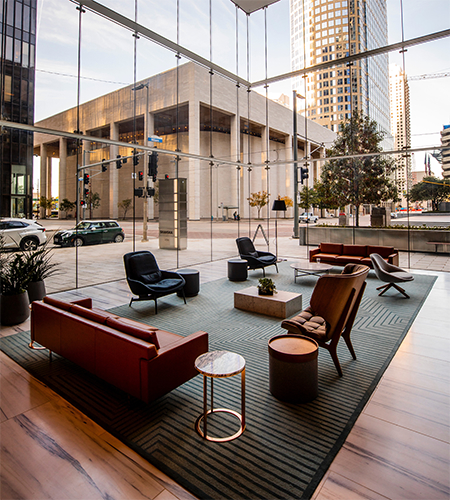

While Work from home has its positives, offices are about collaboration, engagement, culture building and talent development which is only possible with physical offices. Covid-19 has accelerated a few trends like digitalization where the new age workforce have different attitudes and preferences compared to the millennials.
There is no doubt that the pandemic has highlighted the need for innovation in CRE and accelerated the growth of trends that will carry over in the coming years. With customer preferences changing rapidly along with increasing influence of advanced technology, it is imperative for commercial real estate to take note of these emerging trends and undergo a swift transformation putting the end user’s needs at the forefront.