

Work isn’t what it used to be. In India, the way professionals work has already shifted dramatically, and coworking spaces are no longer a nice-to-have they’re becoming essential infrastructure for the future of work. From freelancers and startups to established enterprises, flexible workspaces are driving collaboration, innovation, and growth nationwide.
.
“Coworking Is More Than a Trend , It’s a Transformation”
India’s coworking ecosystem has grown rapidly as businesses embrace flexibility and dynamic work models. Rather than being tied down to traditional leases and 9-to-5 routines, professionals are choosing environments that support fluid work lifestyles, scalable setups, and vibrant communities. This isn’t just about convenience; it’s about meeting the evolving demands of how modern work gets done.
The rise of hybrid work where teams split time between remote work and shared workspaces has amplified demand for flexible office models. These spaces offer a professional setting away from home but don’t lock users into long-term contracts, making them particularly appealing for freelancers, startups, and even larger corporations.
Community Is the Real Value
One of the most exciting aspects of coworking is the community ecosystem it builds. Unlike traditional offices where silos are common, coworking brings together people from diverse industries and backgrounds under one roof. This environment naturally breeds networking, collaboration, knowledge sharing, and even new business opportunities.
Many spaces host events, workshops, and mentorship programs to help members connect with peers, learn new skills, or explore partnerships. This focus on community is transforming work environments into innovation hubs, not just places to set up a desk.
Productivity Meets Flexibility
Coworking offers more than just a scenic workspace. These environments are intentionally designed to optimize productivity with ergonomic furniture, high-speed internet, meeting facilities, and seamless member tools that streamline daily workflows.
Flexibility is a core benefit too. Many members value the ability to choose their hours, and many spaces now offer 24/7 access, enabling you to work when inspiration strikes whether that’s early morning or late at night.
India’s Growth Story
The story of coworking in India is tied to wider economic shifts a booming startup ecosystem, growing remote work culture, and increasing demand for cost-efficient workspace solutions. Emerging markets beyond the traditional metros are adopting coworking rapidly, driven by improved infrastructure and entrepreneurial initiatives.
Coworking isn’t just reshaping where work happens it’s reshaping how work happens. With shared resources, diverse communities, and flexible memberships, these spaces are lowering entry barriers for businesses and providing fertile ground for new ideas, collaborations, and ventures to take off.
What This Means for You
At its core, coworking reflects the future of work a future that values choice, connection, productivity, and community over rigidity and isolation. Whether you’re a solo freelancer seeking professional energy, a startup team aiming to scale fast, or a corporate group looking to innovate without traditional constraints, coworking spaces like Cubic Isle offer a dynamic platform to work differently and grow exponentially.
Work has evolved and coworking isn’t just part of that evolution it’s leading it.
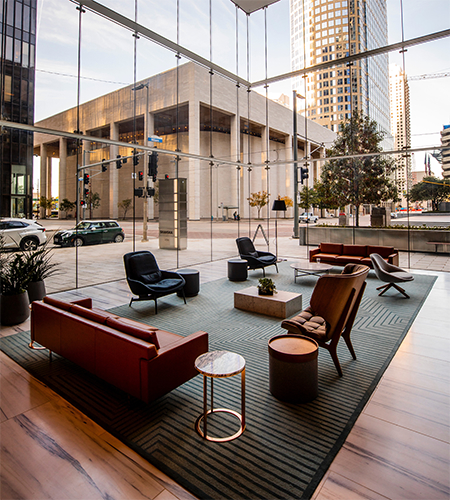

While Work from home has its positives, offices are about collaboration, engagement, culture building and talent development which is only possible with physical offices. Covid-19 has accelerated a few trends like digitalization where the new age workforce have different attitudes and preferences compared to the millennials.
There is no doubt that the pandemic has highlighted the need for innovation in CRE and accelerated the growth of trends that will carry over in the coming years. With customer preferences changing rapidly along with increasing influence of advanced technology, it is imperative for commercial real estate to take note of these emerging trends and undergo a swift transformation putting the end user’s needs at the forefront.